
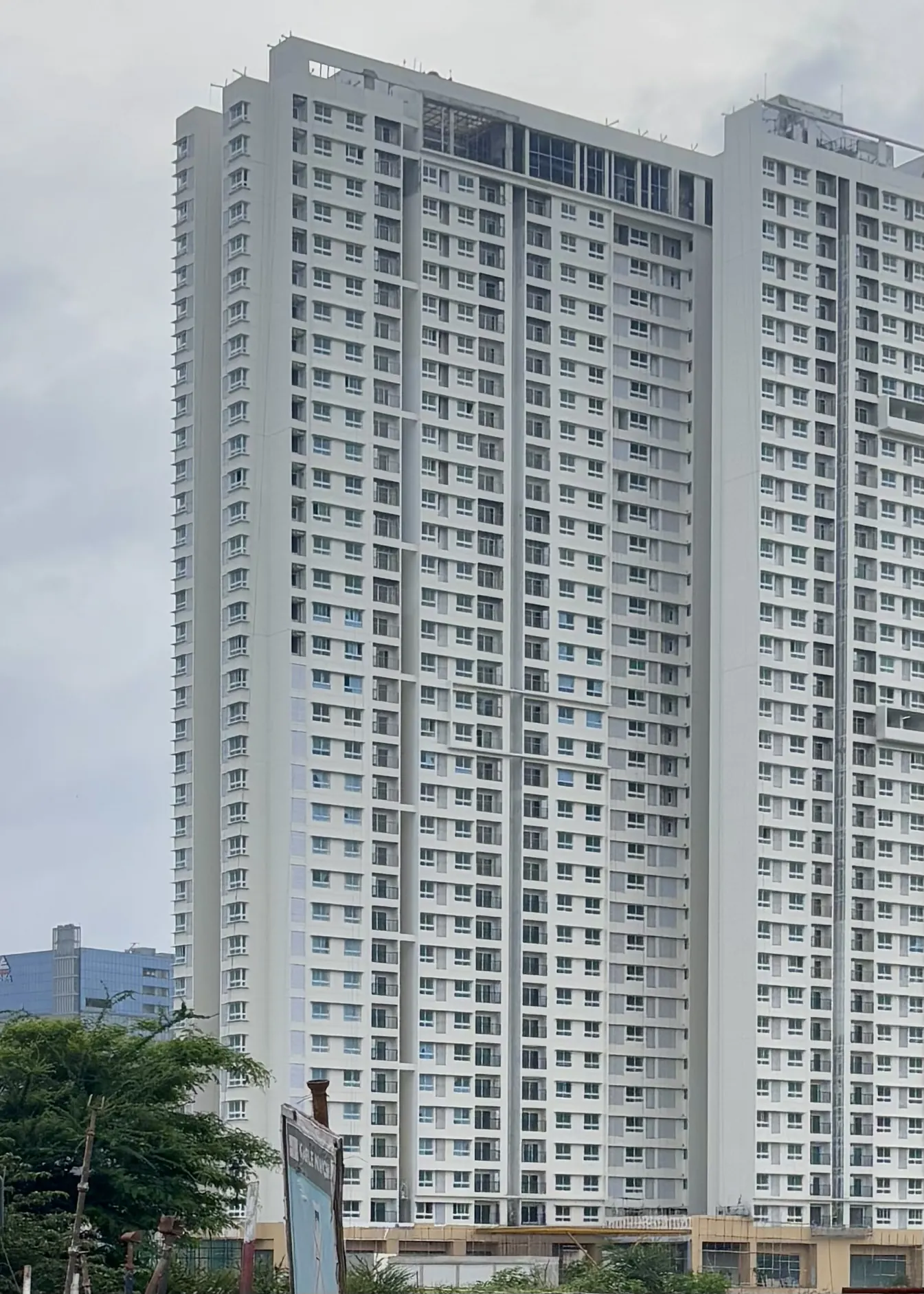
Most buyers set a budget around the price on the quote. Then the cost sheet arrives. Government charges alone add roughly 7.6% to a Bengaluru flat, and builder add-ons, loan fees and interiors come on top. Knowing the full number before you pay a token advance is the single easiest way to avoid overstretching.
1. Stamp duty, cess and surcharge
Stamp duty in Karnataka is charged in slabs on the property value:
| Property value | Stamp duty |
|---|---|
| Up to ₹20 lakh | 2% |
| ₹20 lakh to ₹45 lakh | 3% |
| Above ₹45 lakh | 5% |
On top of the duty, a cess of 10% of the stamp duty and, within city limits, a surcharge of 2% of the stamp duty apply. On a home above ₹45 lakh, that takes the effective duty to about 5.6%.
One rule catches people out: duty is charged on the higher of your agreed price and the government guidance value. Negotiating below guidance value does not lower your duty.
2. Registration fee (now 2%)
Karnataka doubled the registration fee from 1% to 2% of the property value for documents registered from 31 August 2025. It was the first change in over a decade, and it applies to sale deeds as well as joint development agreements and powers of attorney. Many cost guides online still show 1%, so check the date on anything you read.
Duty and fee are paid through the state's Kaveri 2.0 system, which generates the challan before you go to the sub-registrar's office.
3. A worked example
Take an ₹80 lakh apartment within Bengaluru city limits, where ₹80 lakh is also at or above guidance value:
| Charge | Rate | Amount |
|---|---|---|
| Stamp duty | 5% of value | ₹4,00,000 |
| Cess | 10% of stamp duty | ₹40,000 |
| Surcharge | 2% of stamp duty | ₹8,000 |
| Registration fee | 2% of value | ₹1,60,000 |
| Government charges | about 7.6% | ₹6,08,000 |
That is ₹6 lakh before GST, a single builder add-on or a rupee of interiors. Budget for it in cash: banks usually do not fund stamp duty and registration.
4. GST on under-construction homes
If the home is ready to move in with an Occupancy Certificate, there is no GST on the sale. If it is under construction, GST applies:
- 5% for most homes (without input tax credit).
- 1% for affordable housing: in a metro like Bengaluru, a carpet area of up to 60 sq m and a value of up to ₹45 lakh.
Check which items on the cost sheet GST is charged on. Car parking, preferred location charges and club membership are often billed separately, and each line can carry its own tax.
5. Builder add-ons
These vary widely by project, and they are where two "similar" flats can end up lakhs apart. Ask for each one in writing:
- Car parking, covered or open, and whether it is included or extra.
- Preferred location charges for higher floors, corner units or park and lake views.
- Clubhouse membership.
- Advance maintenance, often collected for the first 12 to 24 months.
- Corpus or sinking fund, a one-time deposit handed to the residents' association.
- BESCOM and BWSSB charges for power and water connections, deposits and meters.
- Legal and documentation fees charged by the developer.
Our rule of thumb: compare projects on the all-inclusive price per square foot of carpet area, not the headline rate per square foot of super built-up area.
6. Home loan costs
A home loan brings its own fees: a processing fee, legal and technical valuation charges, and the registration of the mortgage document. Banks also lend only a share of the property value, so your own contribution covers the down payment plus every charge above. Ask your lender for a written list of fees before you sign the sanction letter.
7. e-Khata: the document that can stop a sale
Since 2025, property sales within Bengaluru city limits cannot be registered without a verified e-Khata. If the seller's e-Khata is missing, wrong or unverified, registration stops at the sub-registrar's counter, even if you have paid an advance and your loan is sanctioned.
Two things to check before paying anything:
- The e-Khata exists, and the name, area and property details match the sale documents.
- Whether the property is A-Khata or B-Khata. An e-Khata is a digital record, not an upgrade: a B-Khata property stays B-Khata. That can affect loan eligibility, building approvals and resale.
For new apartments, ask the developer how and when the individual e-Khata for your unit will be issued.
8. Costs after you get the keys
- Interiors: wardrobes, kitchen, lights and fans. Often the biggest cost buyers forget.
- Monthly maintenance once the advance period ends. GST applies when maintenance exceeds ₹7,500 a month per flat.
- Annual property tax to the city corporation.
- Moving and furnishing, plus utility deposits if not already paid.
Your cost checklist
- Ask the developer or seller for an all-inclusive cost sheet with every line item.
- Check the guidance value for the property. Duty is charged on the higher figure.
- Add about 7.6% for stamp duty, cess, surcharge and registration.
- Add GST if the home is under construction.
- Verify the e-Khata and its A or B status before any token advance.
- Get your lender's written list of loan fees.
- Set aside a realistic interiors budget.
Common questions
How much should I budget above the property price in Bengaluru?
For a home above ₹45 lakh, government charges come to about 7.6% of the value. Add 5% GST if it is under construction, then builder add-ons, loan fees and interiors. Many buyers end up 12% to 20% above the quoted price once everything is counted.
Is the Karnataka registration fee 1% or 2%?
It is 2% of the property value for documents registered from 31 August 2025. Guides showing 1% are out of date.
Can I register a flat in Bengaluru without an e-Khata?
No. Sub-registrar offices require a verified e-Khata for properties within Bengaluru city limits, so check it before paying an advance.
This guide is general information, correct as we understand it on 30 October 2026. Rates and rules change. Confirm current charges on the Kaveri portal or with your sub-registrar, and get a property lawyer's opinion before you buy.